
 Products
Products
Products







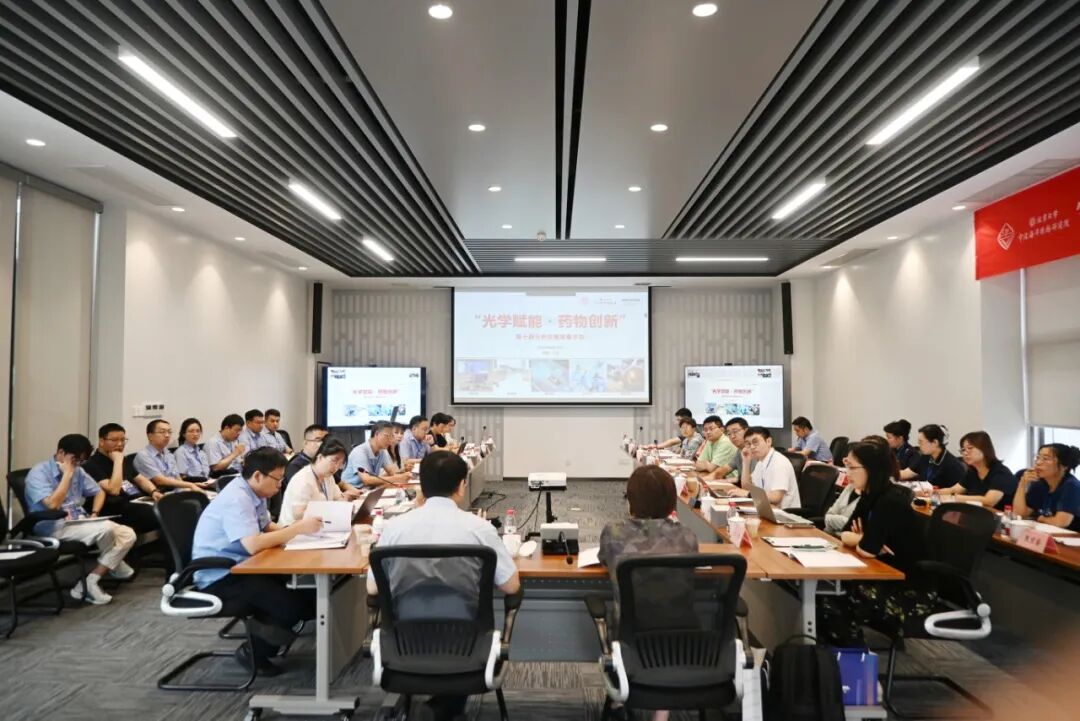
August 28–29, 2026 — The 10th Analytical Instrument Development Salon, themed "Optics Empowerment · Drug Innovation," was successfully held in Ningbo. The event was hosted by the Analytical Instrument Branch of the China Instrument and Control Society, and co-organized by the Ningbo Institute of Marine Drugs, Peking University, and Ningbo Yongxin Optics Co., Ltd. More than 30 industry experts, scholars, and enterprise representatives from universities, research institutes, instrument manufacturing companies, and core component suppliers gathered together to conduct in-depth technical discussions, experience sharing, and matchmaking exchanges on cutting-edge optical analysis technologies and innovative applications of optical instruments in the field of drug research and development.
Opening Remarks: Scientific Instruments Usher in Strategic Opportunities
On the morning of August 28, the salon opened in the conference room of Ningbo Yongxin Optics Co., Ltd. The opening remarks session was moderated by Yang Guanxing, Deputy Secretary-General of the Analytical Instrument Branch of the China Instrument and Control Society. Song Shuxiang, Vice President of the Ningbo Institute of Marine Drugs, Peking University, and Standing Committee Member of the Analytical Instrument Branch of the China Instrument and Control Society, and Mao Lei, Chairman of Ningbo Yongxin Optics Co., Ltd., delivered welcome speeches.
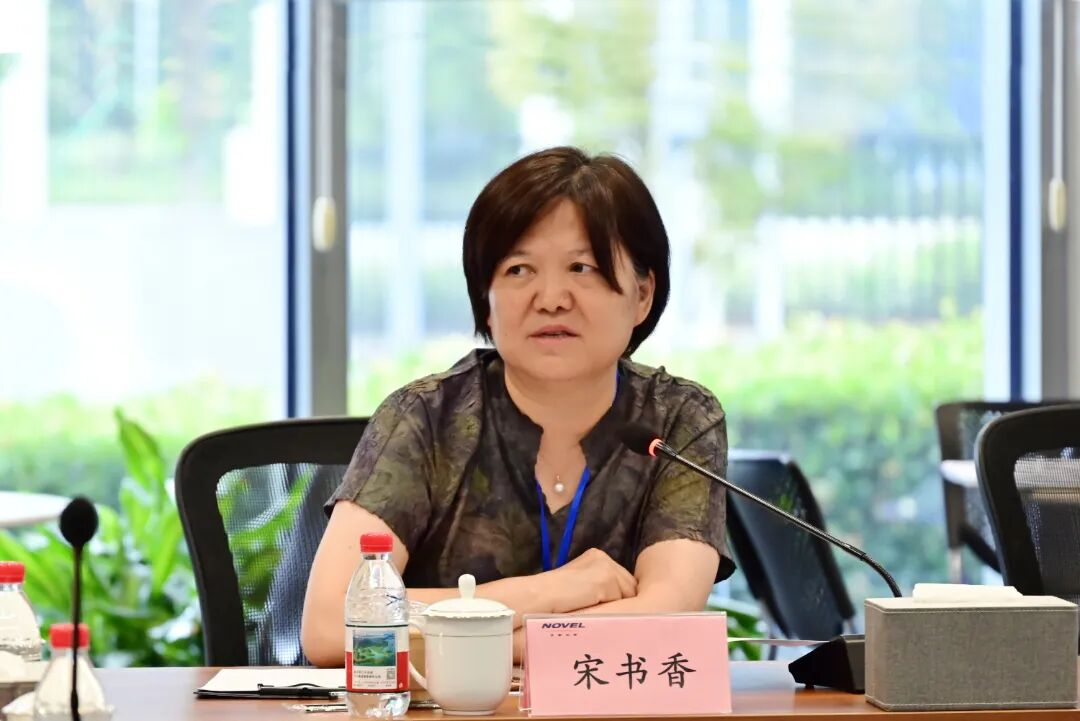
Song Shuxiang, Vice President of the Ningbo Institute of Marine Drugs, Peking University
Song Shuxiang, on behalf of the organizers and co-organizers, extended a warm welcome to the attending guests. She noted that this salon is characterized by interdisciplinary and cross-sectoral efficient exchange, aiming to break down communication barriers between the optical instrument and drug R&D fields, promote deep industry-academia-research-application collaboration, and she looked forward to participants sparking intellectual exchanges and uncovering more valuable cooperation opportunities through discussions and field visits.
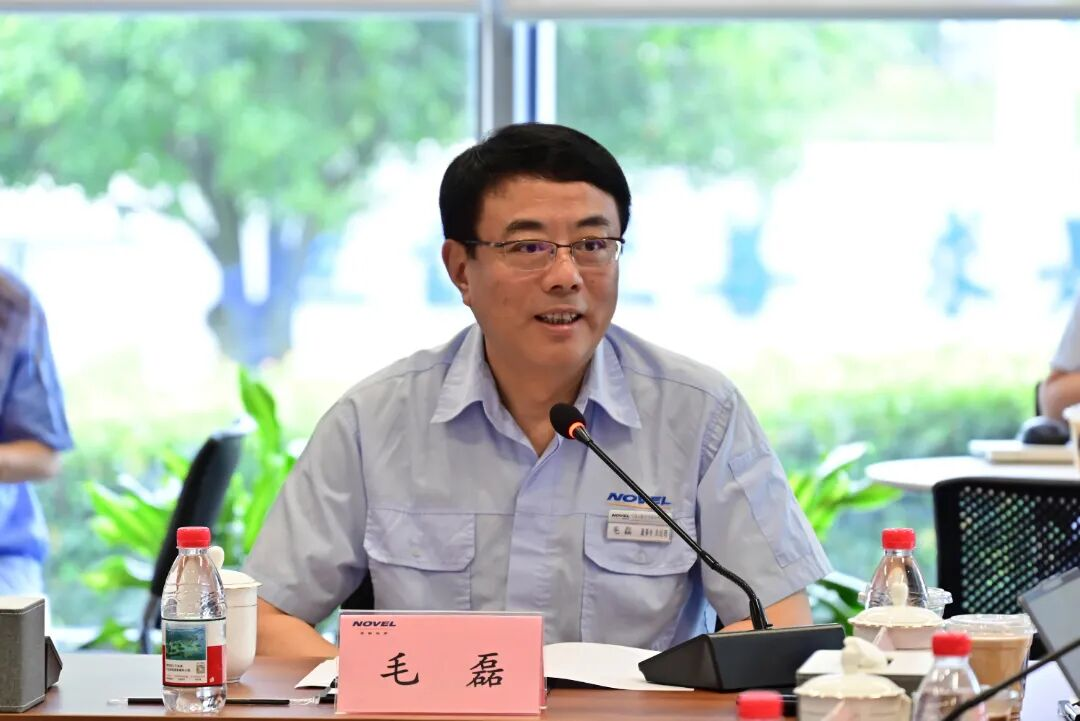
Mao Lei, Chairman of Ningbo Yongxin Optics Co., Ltd.
In his speech, Mao Lei pointed out that the localization of high-end scientific instruments has risen to the level of national strategy, with relevant policies issued and implemented by the National Development and Reform Commission, the Ministry of Industry and Information Technology, and other ministries and commissions. As a representative enterprise in microscopy instruments, Yongxin Optics is deeply involved and currently leads two National Key R&D Program projects — the multimodal nanoscale-resolution microscope and the intelligent ultra-high-definition surgical microscope (neurosurgical microscope) — both of which are progressing steadily. He hoped that through this salon, attending experts could gain an on-site understanding of the latest progress in the R&D and industrialization of domestic high-end optical instruments, and he looked forward to in-depth exchanges and intellectual collisions with experts from all sides to deepen cooperation in key technology breakthroughs, industry-academia-research collaboration, and domestic product validation and promotion.
Keynote Presentations: Covering the "Optics + Drugs" Interdisciplinary Frontier
The keynote presentation session was moderated by Yuan Xia from the State Key Laboratory of Natural and Biomimetic Drugs, Peking University. Seven experts and scholars delivered thematic presentations from dimensions including industry work, industrial technology, cutting-edge methods, and drug applications, comprehensively showcasing the development landscape of optical technology empowering drug innovation.
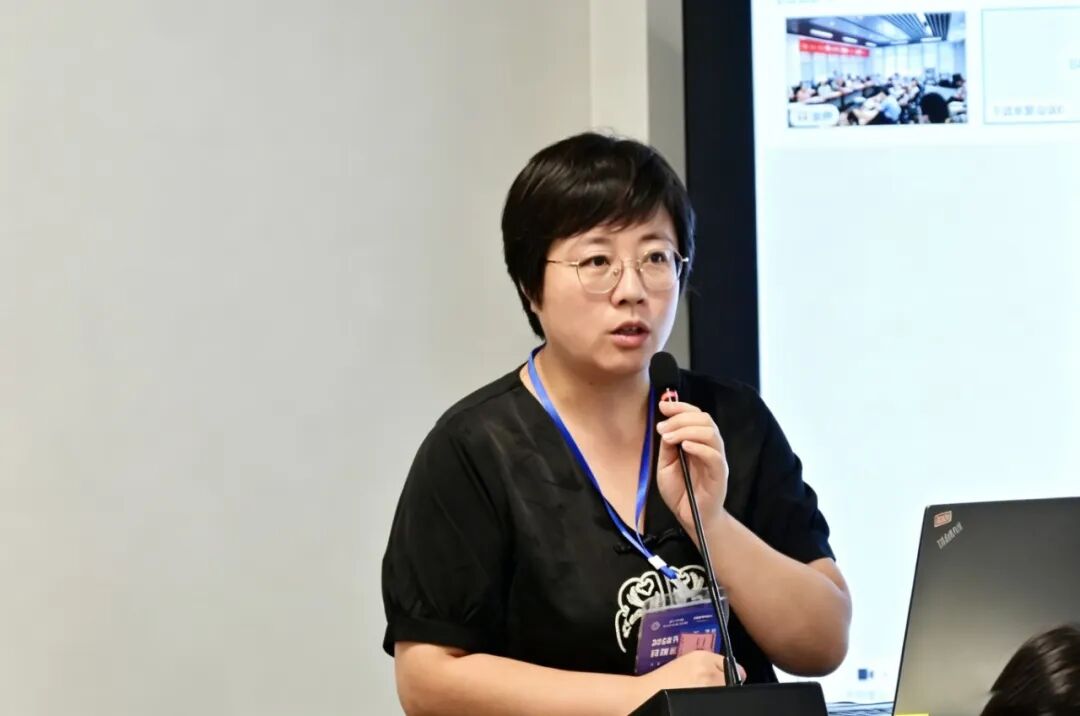
Liu Yulan, Deputy Secretary-General of the Analytical Instrument Branch of the China Instrument and Control Society
Report Title: Key Work of the Analytical Instrument Branch
Senior Engineer Liu Yulan introduced in her report that in recent years, the Analytical Instrument Branch has continuously improved member service quality and promoted the construction of an industrial collaborative ecosystem through activities such as hosting the China Analytical Instrument Academic Conference (ACAIC), organizing the Zhu Liangyi Analytical Instrument Innovation Award selection, surveying and identifying key component suppliers, and conducting specialized training for technology managers. 2026 marks the opening year of China's "15th Five-Year Plan," and national ministries and local governments continue to increase support for high-end scientific instrument research. The Branch called on industry enterprises to abandon homogeneous low-price competition and deepen industry-academia-research cooperation; it also advocated that scientific research users actively trial domestic instruments, condense scientific questions based on major national tasks, and reverse-drive instrument technology iteration and upgrading.
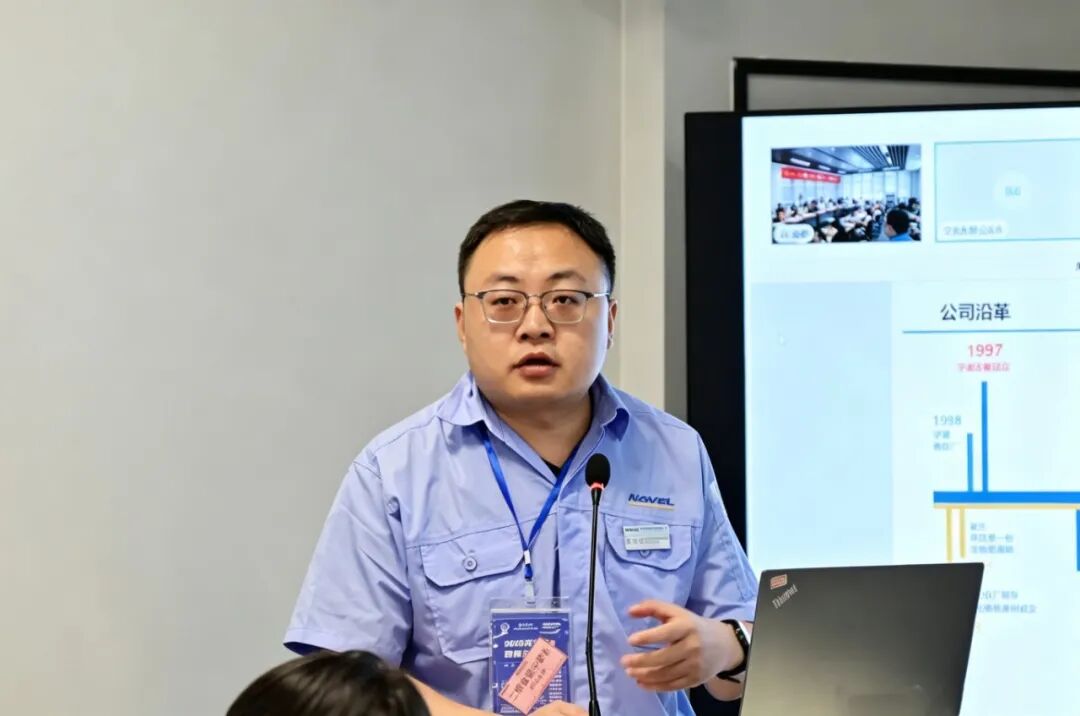
Professor Chen Youhua, Ningbo Yongxin Optics Co., Ltd.
Report Title: Development of Domestic Super-Resolution/High-Resolution Microscopic Imaging Technology
Professor Chen Youhua noted that China's high-end optical microscopes still face a trade deficit, with the high-end market long dominated by imported products. Yongxin Optics adheres to a fully independent and controllable supply chain route, independently tackling core components such as high-precision dual-layer mainframes, high-transmittance filters, and multi-channel objectives to avoid "secondary bottleneck" risks. The self-developed confocal system NCF2000 benchmarks against international mid-to-high-end similar products, featuring 120-nanometer resolution and 30-frame real-time noise reduction performance; the structured illumination super-resolution system SIM achieves 100% localization of all core components. Looking to the future, the company will focus on integrated optics-mechanics-electronics-computing-software development, enhance system integration and reliability, and combine with multiple modal microscopy techniques to evolve toward multimodality and modularization.
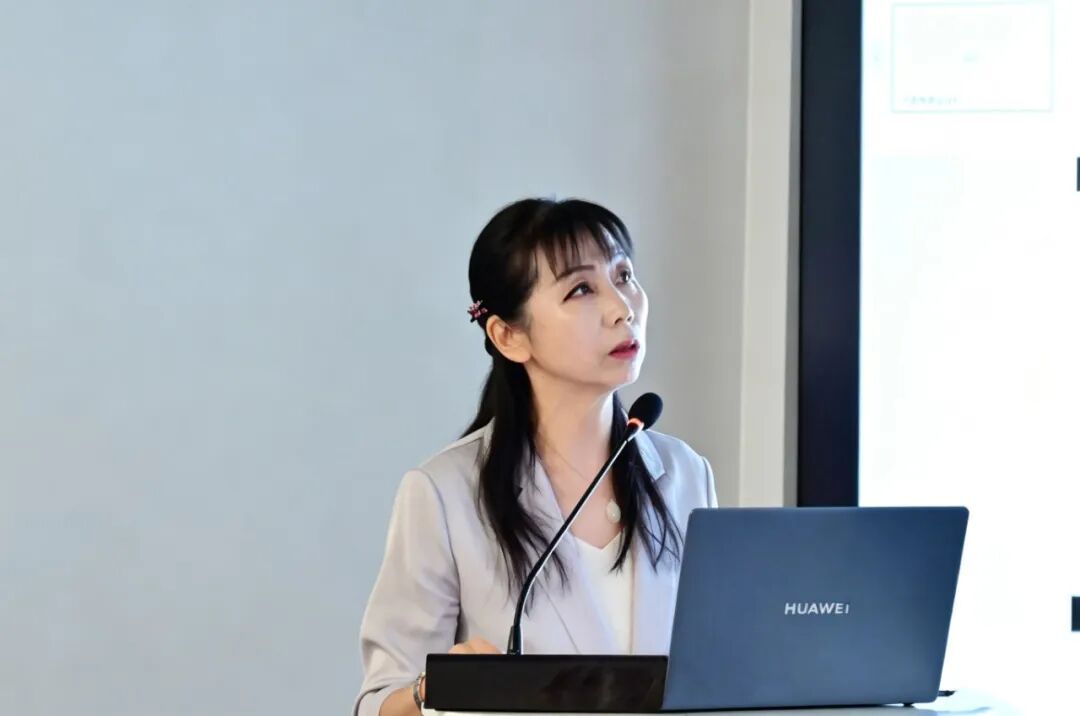
Professor-level Senior Engineer He Qihua, Peking University Health Science Center
Report Title: Application of Fluorescence Lifetime Imaging in Organoid Metabolism Research
Professor-level Senior Engineer He Qihua stated that fluorescence lifetime imaging (FLIM) detects the residence time of fluorescent molecules in the excited state. Unlike traditional fluorescence intensity detection, this indicator is highly sensitive to the biological microenvironment and is not interfered with by probe concentration, photobleaching, or excitation light fluctuations, offering outstanding data stability and quantification capability. With the aid of NADH and FAD autofluorescence combined with two-photon imaging technology, non-invasive metabolic detection can be accomplished at the live cell, in vivo, and organoid levels, enabling differentiation between tumor cells and tumor stem cells, and can be applied to research on metabolic diseases such as tumors, Parkinson's disease, Alzheimer's disease, cardiovascular diseases, and diabetes.
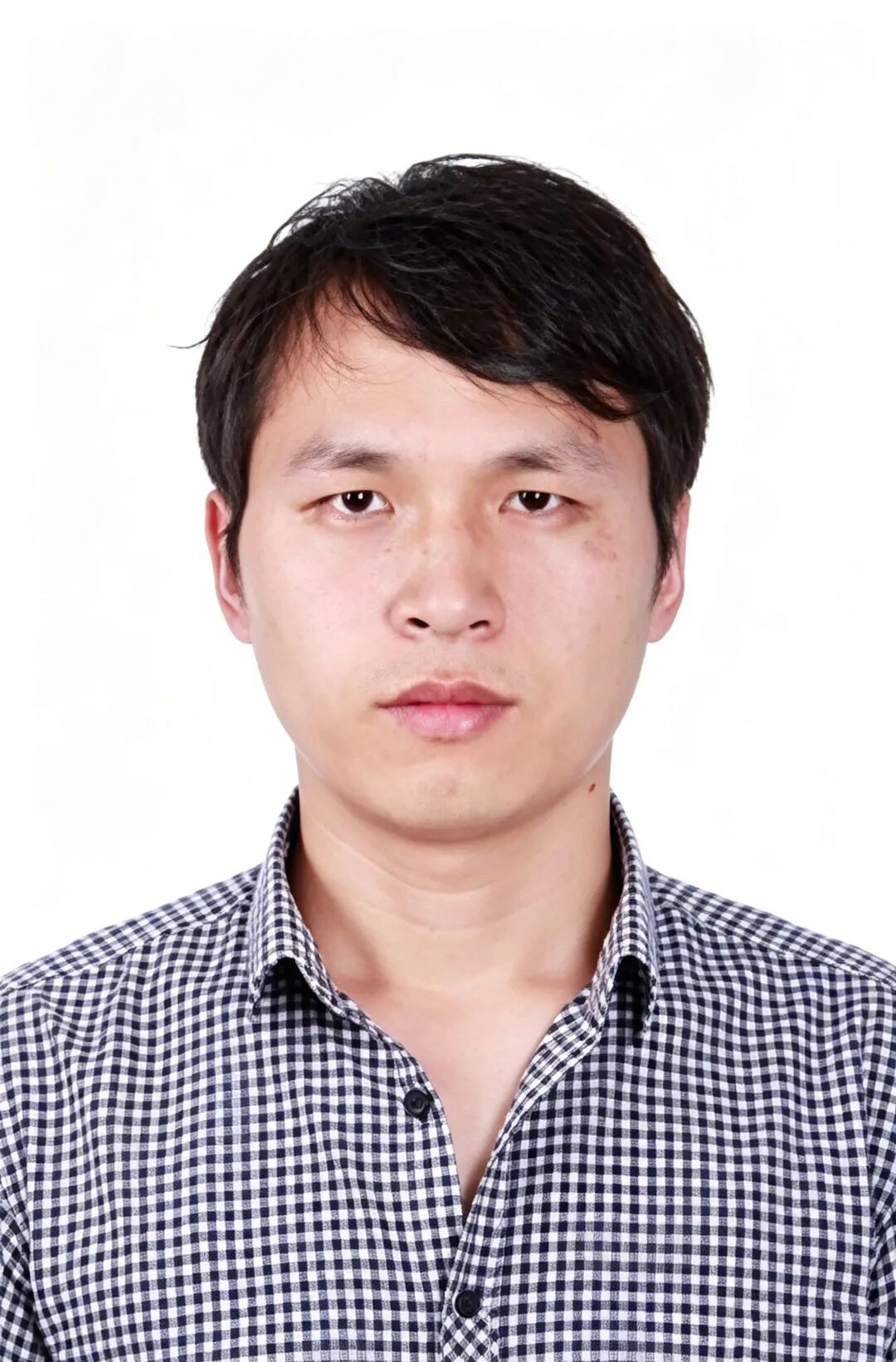
Senior Engineer Sun Zhenglong, Head of the Biomedical Imaging Platform, Shenzhen Bay Laboratory
Report Title: Development Trends of Confocal Imaging Technology and Its Biomedical Applications (Online)
Senior Engineer Sun Zhenglong, drawing on the platform's practical operating experience, systematically reviewed in his report the technological evolution path of confocal microscopes from point scanning and spinning disk confocal to multiphoton confocal. He pointed out that confocal microscopes have become important tools for dynamic observation of living cells, deep tissue imaging, and drug screening. In the future, domestic instruments should focus on breakthroughs in three major directions: high-throughput high-content drug screening systems that balance throughput and resolution, large-field-of-view high-resolution imaging equipment, and three-dimensional imaging technology suitable for large-volume living organoids and embryos.
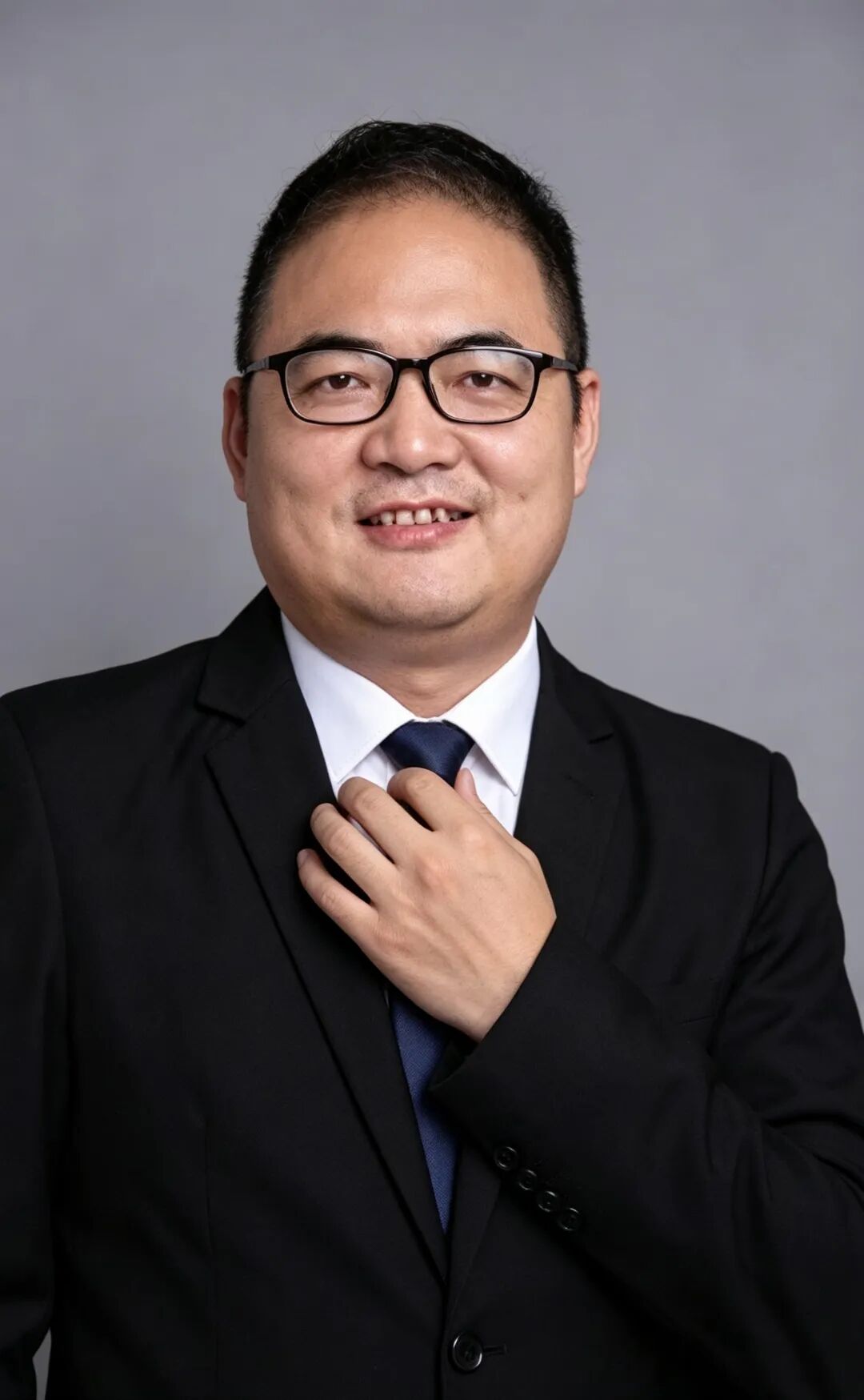
Professor Han Shengli, School of Pharmacy, Xi'an Jiaotong University
Report Title: Development of Intelligent Cell Membrane Chromatography Analytical Instruments and Their Applications in the Pharmaceutical Field (Online)
Based on cell membrane chromatography biorecognition technology, Professor Han Shengli developed a high-throughput intelligent CMC·2D/TDM analyzer with independent intellectual property rights, for which he won the 2025 Zhu Liangyi Youth Innovation Award. In his report, he highlighted the latest progress of the project: the instrument has been deployed and applied in multiple pharmaceutical companies and drug regulatory agencies, completing the identification and limit analysis of sensitizing components in injections, and collaborating with the teams of Academicians Zhang Boli and Chen Shilin on multi-target drug screening. The team will further integrate AI molecular prediction, molecular docking, and cell membrane chromatography technology to build a complete drug evaluation chain from molecular prediction to cellular and organ levels.
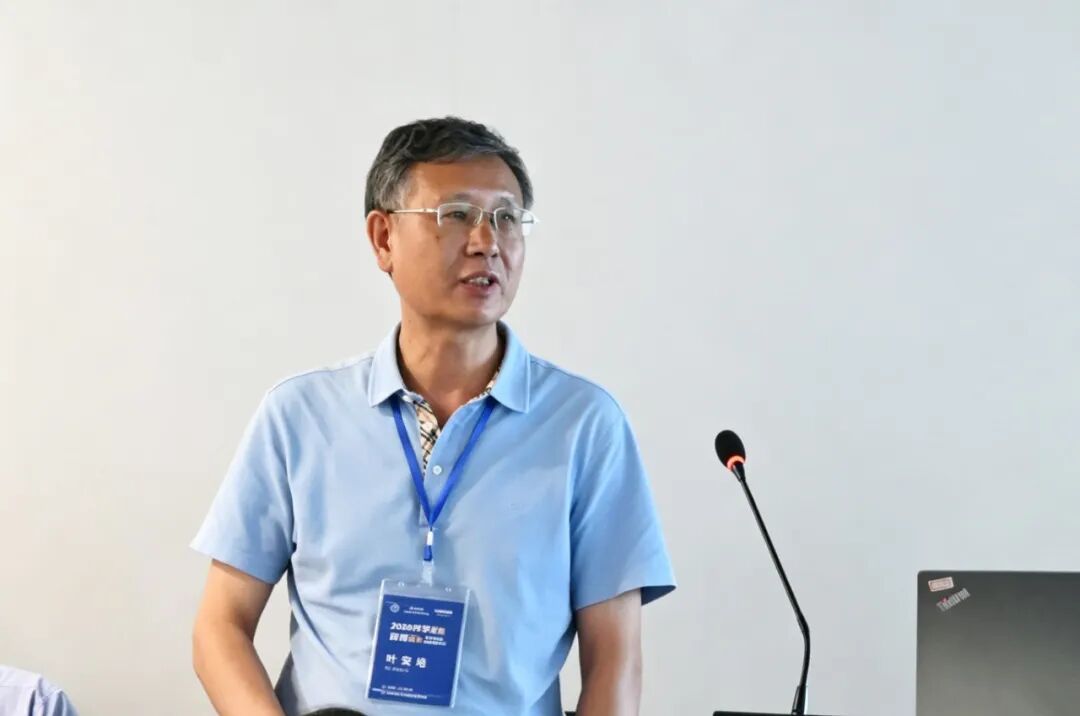
Professor Ye Anpei, School of Electronics, Peking University
Report Title: Laser "Optical Tweezers-Raman" System and Its Applications in Biomedicine
Professor Ye Anpei's team has successively developed laser non-destructive single-cell manipulation (optical tweezers) technology, label-free Raman spectroscopy detection technology, and novel label-free super-resolution optical imaging technology, and pioneered the integration of the three into one, providing a novel research tool for in situ, label-free, non-destructive, and rapid single-cell identification and sorting as well as cell dynamic evolution research. He stated that the team has now developed a prototype and achieved good validation in extensive single-cell research (cancer cells, blood cells, stem cells, microorganisms, exosomes); he hopes to cooperate with industry, academia, and investors to jointly advance instrument miniaturization and engineering development.
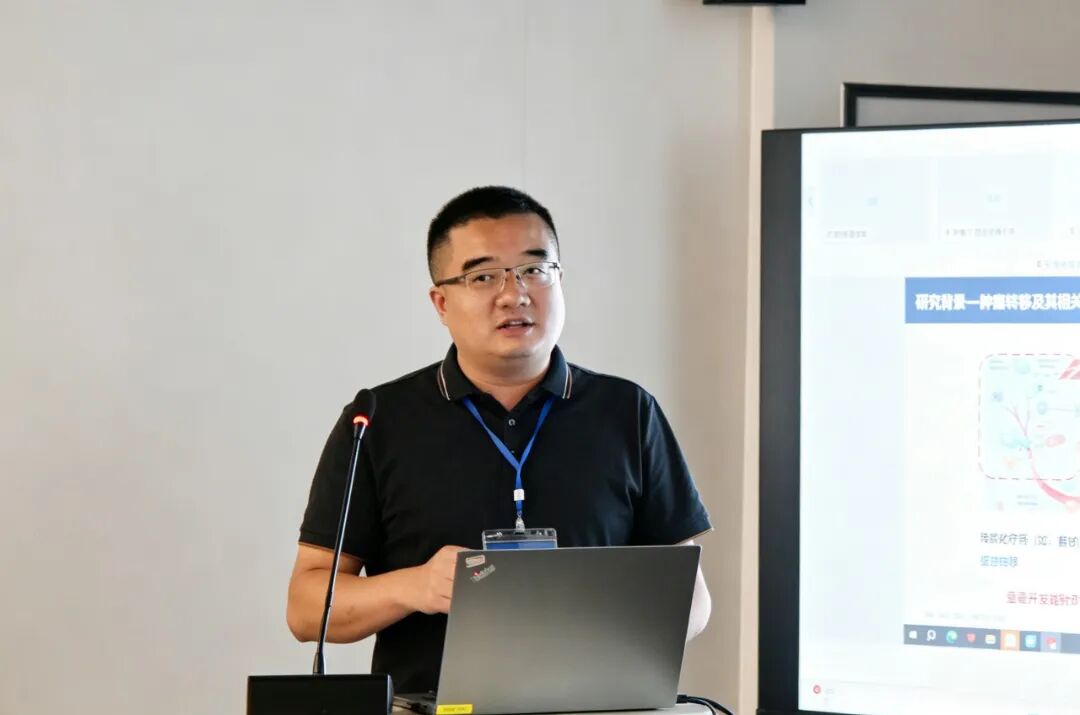
Associate Researcher Wang Cong, China Pharmaceutical University
Report Title: Research on the Effect and Mechanism of Neutrophil Drug-Loading System for Targeted Inhibition of Tumor Metastasis
Associate Researcher Wang Cong's research utilizes the natural tendency of neutrophils to home to the tumor microenvironment to construct a drug-loading system, achieving targeted drug delivery and inhibition of tumor metastasis. In his report, he focused on analyzing its immune regulatory mechanism, providing new ideas for targeted tumor therapy and confirming the enormous value of interdisciplinary research combining optical imaging and drug delivery.
Panel Discussion: Confronting Common Pain Points, Building Consensus for Development
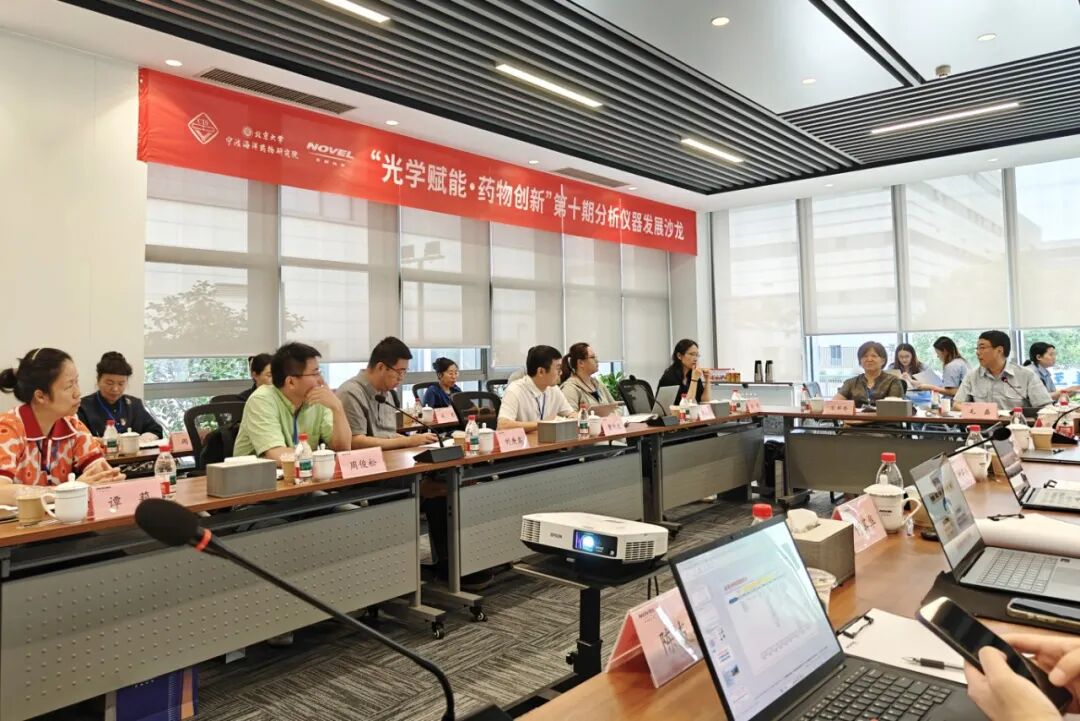
On the afternoon of August 28, the panel discussion session was moderated by Liu Yulan, Deputy Secretary-General of the Analytical Instrument Branch of the China Instrument and Control Society. Attending experts engaged in heated discussions around core innovation directions, technology iteration paths, disruptive technology routes, major application scenarios, and real-world needs.
Common Industry Pain Points
Domestic high-end instruments continue to achieve breakthroughs in research, matching or even surpassing counterparts in some performance and functions, but overall machine reliability, stability, and long-term durability still need improvement and validation;
Some key components still rely on imports, and software still lags behind international advanced products in visualization, data analysis, and human-computer interaction experience;
Some users have long formed operating habits with imported instruments, creating high learning costs and switching resistance for domestic instruments, affecting their trial and promotion;
In some fields, "import-only" mentality still exists, with tender documents setting tendentious technical parameters, restricting domestic instruments from fair market competition.
Expert Consensus
Promote breakthroughs across the entire chain of hardware, software, services, and talent for domestic optical microscopic imaging instruments, with focus on filling shortcomings in software interaction, data processing, and system stability;
Expand application scenarios, conduct prototype trials and third-party validation and evaluation, deepen industry-academia-research-application collaborative innovation, and enhance user confidence through real-scenario validation and authoritative evaluation to break import dependence;
Seize the prospects of the interdisciplinary track combining optical technology and drug innovation, with focus on FLIM fluorescence lifetime imaging, two-photon imaging, organoid research, high-content drug screening, thrombosis monitoring, and other directions, cultivating new growth points through cross-disciplinary integration.
Domestic instrument enterprises should adhere to demand orientation, reject homogeneous price involution, strengthen the co-construction of innovation ecosystems with universities and research institutes, and promote domestic instruments from "following" to "leading."
Attending representatives unanimously agreed that the high-quality development of domestic scientific instruments must rely on multi-party collaboration across industry, academia, research, and application, with real industry needs driving technology iteration, scenario-based application validation accelerating domestic substitution, and interdisciplinary integration expanding innovation boundaries.
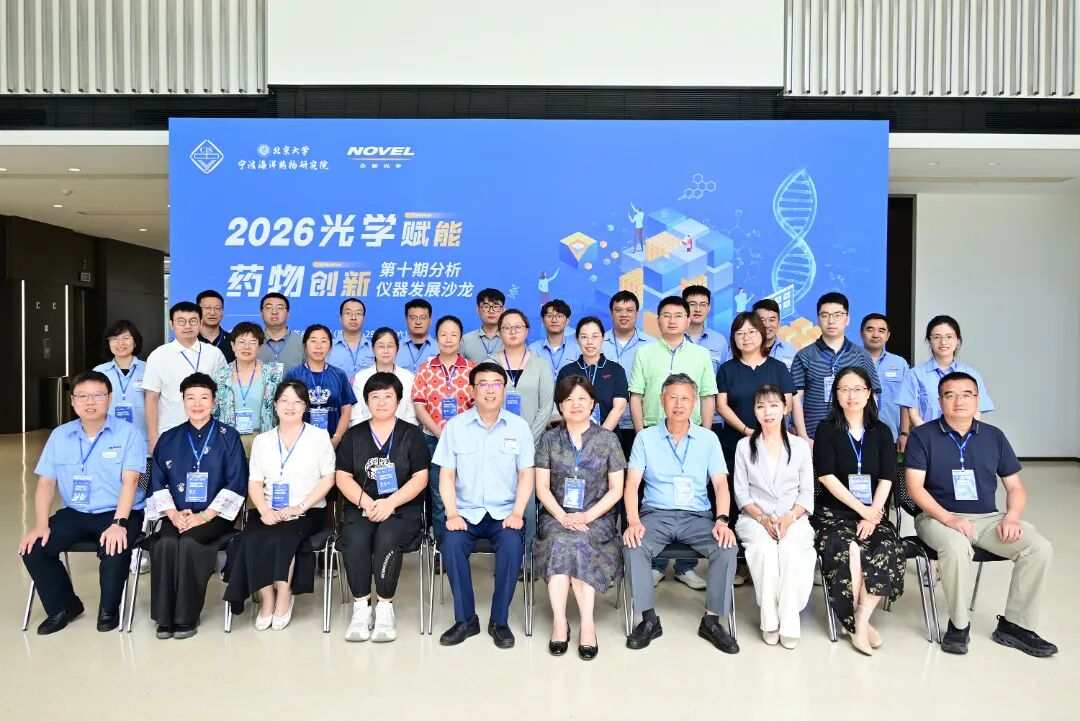
This salon activity not only presented multiple cutting-edge technological achievements and practical experience in domestic instrument industrialization, but also directly confronted real challenges facing domestic instruments in software capabilities, overall machine reliability, and market access. It built a high-level industry-academia-research dialogue platform for the fields of optical analytical instrument R&D and drug discovery, further promoting the deep integration of optical technology and drug innovation, and injecting new momentum into the high-quality development of domestic analytical instruments.